Why Most Business Videos Fail

This article is written from the perspective of a Barcelona-based video production service working with businesses, founders, and brands. At Eugenial Studio, we help companies create business videos, website videos, and social media content designed to work within real attention spans and platform behavior.
One of the most common problems with business video is not the camera, the lighting, or even the budget. It’s misunderstanding how video actually works — and why people watch it. Over the years, I’ve seen many businesses invest time and money into video content, only to feel disappointed with the results. In most cases, the issue isn’t the effort. It’s a few repeated mistakes that quietly kill effectiveness.
The biggest mistake of all is trying to use one video for every platform.
This usually comes from a good intention: saving money and time. Business owners invite a videographer, shoot a beautiful promotional video, and then ask to cut short versions from it for social media. On the website, this video often works perfectly. It looks professional, builds trust, and helps visitors understand the business better. That’s because people who visit your website are already interested. They chose to be there. They are ready to spend time watching and learning more about you.
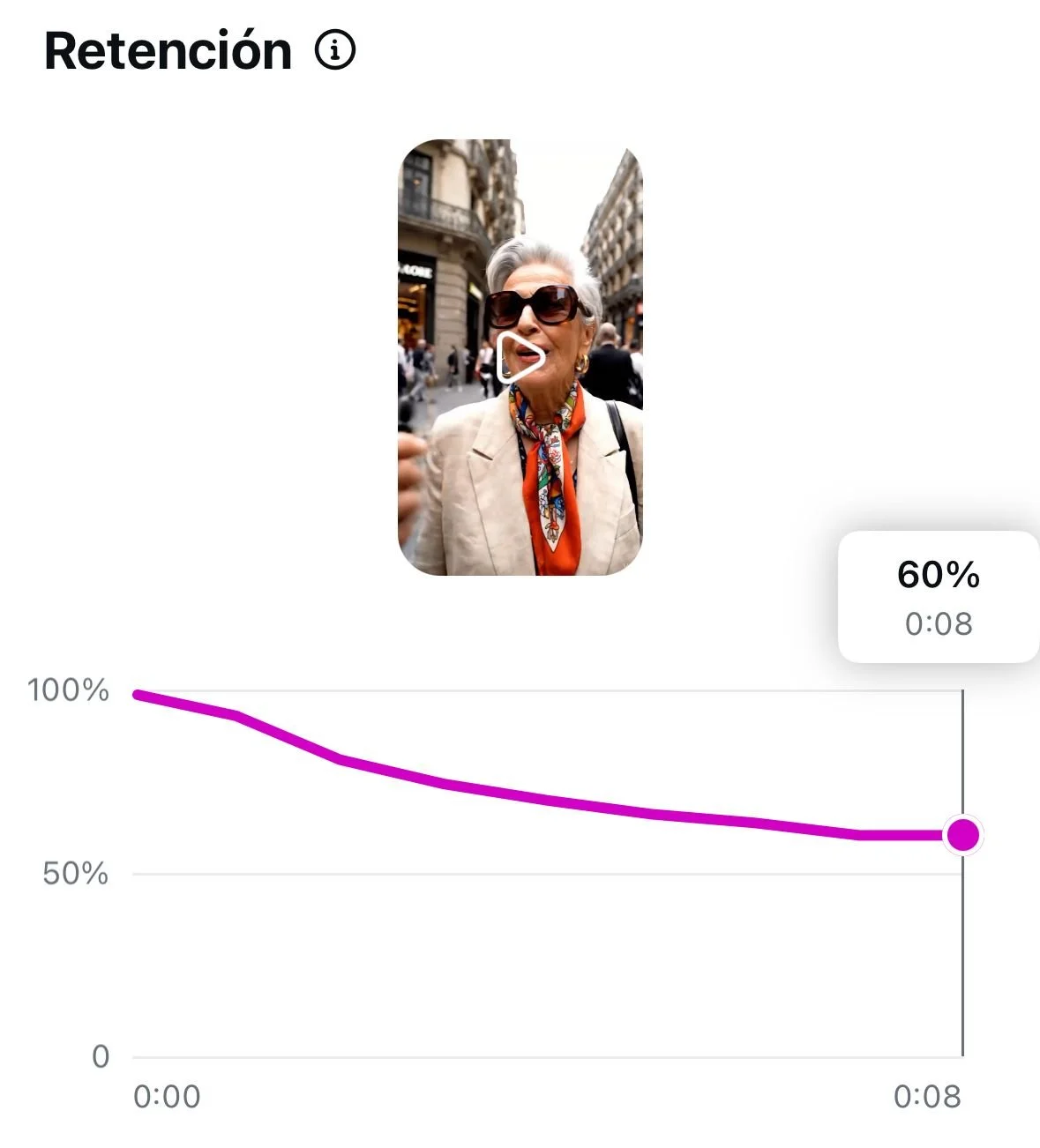
Social media works in a completely different way. When someone scrolls Instagram, TikTok, or YouTube Shorts, you have about three seconds to catch their attention. If the video doesn’t immediately spark interest, it’s skipped without a second thought. A beautifully shot promo video, designed for a website, often fails here — not because it’s bad, but because it’s slow and expects patience.
On social platforms, attention and retention are everything. How long people stay with your video, and whether they watch it to the end, is one of the most important signals for the algorithm. If the percentage of viewers who finish your video is close to zero, the platform reads it as uninteresting and stops showing it to others. That’s why video planning should always start with one simple question: what is the goal of this video, and where will it live?
It is possible to shoot content for both a website and social media in one session, but it requires much more intention. The edit has to be adapted, the pacing changed, and the tone relaxed. A professional-looking video often needs to be transformed into something more casual and dynamic to work on social platforms. This is why professional video production is not just about filming. It starts with strategy — defining the purpose of the video, the platform it’s made for, and how it fits into a broader business or marketing goal.
Another very common mistake is talking too much about yourself.
After more than seven years of creating videos and working with social media growth, I’ve learned one hard truth: unless you are Steve Jobs-level famous, people are not interested in listening to you talk about yourself. They are interested in themselves — their problems, their desires, their needs.
This is the key to effective business video. It’s not about listing how great you are, how many services you offer, or how professional your team is. Videos that say “we are amazing, we do this and that” rarely work. Videos that simply list procedures or services almost never work. Even food videos, which naturally perform better because everyone loves good-looking food, can still be much more powerful. In our video production work with businesses in Barcelona, we regularly see these mistakes repeated. That’s why we focus on creating business videos that speak to the audience first — whether it’s a brand video, a website introduction, or social media content.
The shift needs to happen from your product to your audience. Instead of “buy our procedure”, talk about what that procedure changes in someone’s life.
“How does my video help my clients feel more confident, more relaxed, more attractive, or more comfortable? What problem does it solve? What pain does it remove?”
The same applies to restaurants and food businesses. Today, in a world of abundance, people don’t just want to eat — they want meaning. They want philosophy. They want to know who is cooking their food, what values stand behind the ingredients, and why this place exists. When your philosophy matches your client’s values, people come back — and they talk about you. That connection is far more powerful than any promotional message.
Another mistake that quietly reduces effectiveness is extended video length.
Yes, people are generally willing to spend more time watching a video on a website than on social media. But that doesn’t mean longer is better. For most business websites, an ideal video length is around 1 to 1.5 minutes. The longer the video, the higher the chance it won’t be watched to the end. And unfinished videos rarely build trust.
If you genuinely have more to say, the solution is not to make the video longer — it’s to make the script sharper. Every sentence should earn its place. Every idea should be supported by engaging visuals and thoughtful editing. Otherwise, the video slowly slips back into the “me, me, me” problem — which is exactly what viewers tune out from.
I’ll share one simple principle that consistently works when creating high-performing social media videos, regardless of industry or format. When you’re writing a script or thinking about an idea, always put yourself in the position of a random viewer — someone who doesn’t know you at all. Then ask one brutal question on their behalf:
“Why should I watch this video?”
If you don’t have a clear, honest answer, the idea probably isn’t strong enough. Most video concepts fall apart at this stage — and that’s a good thing. Because no one wants to watch a video where someone is clearly trying to sell them something. People watch videos that give them insight, emotion, recognition, or value. Selling works only when it happens as a side effect, not as the main goal.
Effective business video is not about shouting louder or looking more polished. It’s about understanding attention, empathy, and context. When those elements are respected, video stops being just content — and starts becoming a real business tool.
If you’re planning a business video and want it to actually work — not just look good — professional video production and strategy make a critical difference. You can learn more about our video production services here.
FAQ
-
Most business videos fail because they are not adapted to the platform they are published on and focus too much on the business instead of the audience.
-
Usually no. Website videos and social media videos require different pacing, structure, and storytelling to be effective.
-
An effective business video is audience-focused, clearly structured, and designed with attention spans and platform behavior in mind.
-
Yes. Professional video production should include planning, scripting, platform strategy, filming, and editing — not just recording footage.
